


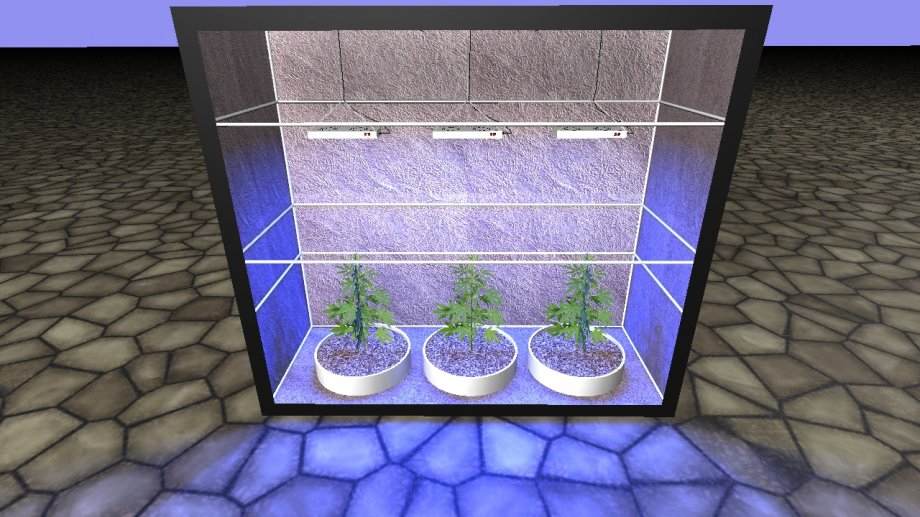
Indoor gardening requires suitable lighting to support healthy plant development. While natural sunlight is an important source of energy for plants, it is not always available in sufficient quantities indoors. Limited window space, changing seasons, and different room conditions can make artificial lighting a practical addition to an indoor gardening setup. LED grow lights have become a popular option because they offer energy efficiency, flexible lighting configurations, and convenient installation.
Choosing the right LED grow light requires understanding its specifications and the needs of different plants. Whether you are setting up a small indoor garden or improving an existing arrangement, selecting suitable lighting can make plant care more manageable.
The following advantages explain why LED grow lights are worth considering for indoor gardening.
1. Energy-Efficient Lighting Performance
One of the main advantages of LED grow lights is their energy efficiency. Compared with many traditional lighting technologies, LEDs can provide useful illumination while consuming less electricity.
This can be beneficial for indoor gardeners who need artificial lighting for extended periods. Lower electricity consumption may also help reduce ongoing operating expenses.
However, actual energy efficiency depends on the quality, power rating, and performance of the individual lighting product. Buyers should compare technical specifications rather than relying exclusively on marketing claims.
Selecting an appropriately sized LED system can help balance lighting requirements and electricity consumption.
2. Full Spectrum Lighting Options
Another advantage of LED grow lights is the availability of different light spectrums. Full-spectrum models provide a combination of wavelengths designed to support various stages of plant development.
Different plants have different lighting requirements, so selecting a suitable spectrum is important.
When comparing full-spectrum LED products, consider:
- Available wavelength information
- Light distribution
- Coverage area
- Manufacturer recommendations
- Intended plant applications
These specifications help buyers understand whether a particular product is appropriate for their indoor gardening needs.
3. Lower Heat Production
Heat management is an important consideration in indoor gardening. Some traditional lighting systems produce considerable heat, which can make maintaining a comfortable indoor environment more challenging.
LED grow lights generally produce less radiant heat than many conventional alternatives. This can make temperature management easier when the lighting system is appropriately selected and installed.
However, LED fixtures still generate heat through their electrical components and require suitable cooling.
Checking the cooling design, ventilation requirements, and manufacturer’s installation instructions is important before purchasing a lighting system. Find products that support consistent plant watering when you Buy Plant Irrigation System options from the store.
4. Long Operating Lifespan
LED technology is also known for its long operating lifespan. Quality LED grow lights can provide extended service compared with many traditional lighting options.
This can reduce the frequency of replacing lighting equipment and make long-term indoor gardening more convenient.
The actual lifespan depends on component quality, operating temperature, usage conditions, and maintenance.
Before purchasing, review the manufacturer’s stated lifespan, warranty coverage, and replacement policies. A reliable product with proper thermal management may offer better long-term value.
5. Flexible Installation and Lighting Arrangements
LED grow lights are available in different shapes, sizes, and configurations. This flexibility makes them suitable for various indoor gardening environments.
Common designs include:
- LED panels
- Bar-style lighting systems
- Compact LED fixtures
- Adjustable hanging lights
- Integrated lighting units
Smaller fixtures may be suitable for compact plant shelves, while larger models can cover more extensive indoor areas.
This variety allows buyers to select lighting equipment according to their available space and installation preferences.
6. Convenient Brightness and Spectrum Controls
Some modern LED grow lights include adjustable settings that allow users to modify brightness or select different lighting modes.
These controls can make it easier to adapt illumination according to the manufacturer’s recommended settings and the requirements of different plant species.
Timers and compatible control accessories can also help maintain consistent lighting schedules.
Before buying, check whether adjustable controls are included or sold separately. Understanding the available features can help prevent unexpected expenses and ensure that the lighting system matches your intended setup.
7. Suitable for Different Indoor Gardening Spaces
LED grow lights are available for a wide range of indoor gardening applications. They can be used in plant shelves, small indoor gardens, grow tents, and other dedicated growing spaces.
Their compact designs make them relatively easy to integrate into different arrangements.
For buyers comparing products for larger installations, it is important to examine the recommended coverage area and actual power consumption.
A light that works well in a small space may not provide sufficient coverage for a larger area. Choosing the correct size helps create a more balanced lighting arrangement.
8. Reduced Maintenance Requirements
Another benefit of LED grow lights is that they generally require less frequent maintenance than some traditional lighting systems.
Many LED fixtures do not need regular bulb replacement and are designed for convenient everyday operation.
Basic maintenance usually involves:
- Removing dust from the fixture
- Checking electrical connections
- Inspecting mounting accessories
- Keeping cooling components unobstructed
- Following manufacturer cleaning instructions
Regular inspection helps maintain performance and identify potential equipment problems before they become more serious.
9. Wide Range of Brands and Products
The growing popularity of indoor gardening has encouraged manufacturers to introduce different LED lighting products.
Spider Farmer, for example, is a recognizable brand offering LED grow lighting equipment in various configurations.
When comparing brands, buyers should examine actual specifications, lighting coverage, power consumption, cooling performance, warranty conditions, and customer feedback.
A reputable manufacturer should provide clear technical information that makes product comparison easier.
10. Better Long-Term Purchasing Value
Although some quality LED grow lights may require a higher initial investment, their energy efficiency and operating lifespan can provide long-term value.
Buyers should consider the complete cost of ownership rather than focusing only on the purchase price.
Compare electricity consumption, expected lifespan, warranty coverage, replacement availability, and product performance.
An appropriately selected LED fixture can be a practical investment for maintaining an indoor gardening environment over time.
Conclusion
LED grow lights offer several advantages for indoor gardening, including energy efficiency, flexible installation, different spectrum options, lower heat production, and reduced maintenance requirements.
Choosing the right product involves comparing power consumption, coverage area, cooling design, adjustable features, and manufacturer specifications. It is also important to consider the lighting requirements of the intended plants.
By selecting suitable LED grow lights and following the manufacturer’s recommendations, indoor gardeners can create a more convenient and consistent lighting environment while making better use of their available space.
