


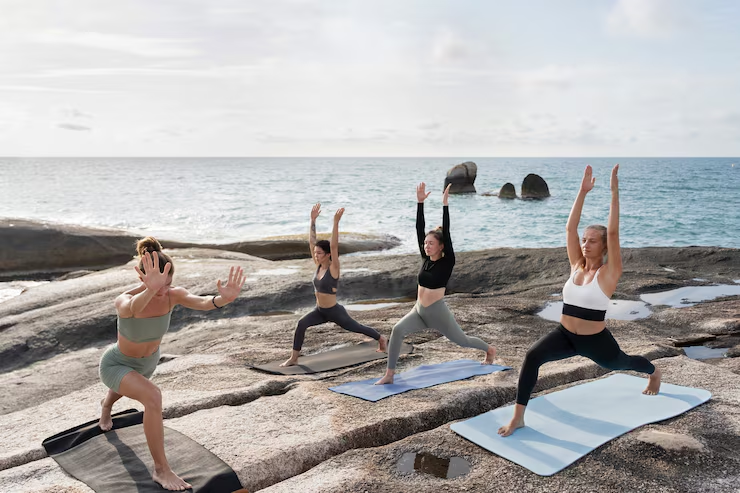
Yoga retreats have become an increasingly popular way to unwind, recharge, and explore holistic wellness. While large-scale retreats offer variety and networking opportunities, small group yoga retreats provide a more intimate, personalized experience. For travelers seeking focused guidance, meaningful connections, and a deeper wellness journey, small group retreats are an ideal choice.
This article outlines a step-by-step guide to understanding and making the most of small group yoga retreats, highlighting the benefits and practical considerations for participants.
Step 1: Define Your Goals and Intentions
Before joining a retreat, take time to reflect on your personal goals. Are you seeking physical improvement, stress relief, mental clarity, or cultural immersion? Knowing your intentions helps you choose a retreat that aligns with your needs and ensures a more meaningful experience.
Small group retreats often allow instructors to tailor sessions to participants’ goals, making clarity on your intentions especially valuable.
Step 2: Research Small Group Options
Identify retreats that specifically emphasize small group sizes, usually ranging from 6 to 15 participants. Smaller groups allow for personalized attention, closer interaction with instructors, and a more cohesive community experience.
Look for retreats that provide detailed schedules, descriptions of yoga styles, and information on wellness or cultural activities to ensure they meet your expectations.
Step 3: Evaluate Yoga and Meditation Programs
Small group retreats often offer customized yoga and meditation sessions suitable for all levels. Beginners can receive guidance without feeling overwhelmed, while more experienced practitioners may explore advanced poses or techniques.
Check if the retreat provides varied classes, including gentle yoga, restorative sessions, meditation, and mindfulness practices, ensuring a holistic approach to wellness.
Step 4: Consider Cultural and Wellness Activities
Many small group retreats integrate cultural experiences to enhance personal growth and mindfulness. Activities may include local cooking classes, traditional craft workshops, herbal medicine sessions, sound healing, or guided nature walks.
Participating in these experiences helps deepen your understanding of the retreat location and adds meaningful engagement beyond the yoga studio. Yoga retreats blend spiritual practice with authentic local experiences.
Step 5: Assess Community Interaction
A key advantage of small group retreats is the opportunity to build strong connections with fellow participants. Shared meals, group activities, and collaborative workshops foster a supportive environment where travelers can share experiences and form friendships.
This sense of community enhances the overall retreat experience, especially for solo travelers or those seeking social interaction in a safe and welcoming space.
Step 6: Review Accommodation and Facilities
Small group retreats often provide boutique-style accommodations that encourage intimacy and connection. Rooms may be private or shared, but the focus is on comfort, tranquility, and integration with the natural surroundings.
Check for facilities such as yoga studios, meditation spaces, communal areas, and outdoor spaces that support both personal reflection and group activities.
Step 7: Evaluate Nutrition and Meal Plans
Wellness retreats often provide plant-based, vegetarian, or locally inspired meals that support yoga practice and overall health. Small group retreats may also offer cooking workshops, allowing participants to learn about local cuisine and nutrition while engaging in a cultural experience.
Nutritious meals enhance energy, focus, and overall well-being during the retreat.
Step 8: Balance Structured Schedule with Free Time
A well-designed retreat schedule balances structured yoga and cultural activities with personal time. Mornings may include yoga and meditation, followed by cultural workshops or excursions. Afternoons can include restorative sessions, reflection, or optional activities.
Free time allows participants to explore the surroundings, journal, rest, or practice mindfulness, creating a holistic and rejuvenating experience.
Step 9: Prepare for Travel and Participation
Proper preparation ensures a smooth retreat experience. Plan your travel logistics, including flights, transfers, and visas if needed. Pack essential items such as comfortable clothing, yoga mats or props, sunscreen, and personal items for meditation or journaling.
Being prepared allows you to focus fully on wellness, relaxation, and cultural engagement upon arrival.
Step 10: Engage Fully in the Retreat Experience
Active participation is key to benefiting from a small group retreat. Attend all yoga and meditation sessions, join cultural workshops, and engage with the community.
The personalized nature of small group retreats provides an environment where your presence and involvement are valued, allowing for a more transformative and intimate experience.
Step 11: Reflect and Integrate Learnings
Throughout the retreat, reflect on your progress, insights, and experiences. Use journaling, meditation, or quiet reflection to process lessons learned and integrate them into daily life.
Small group retreats often provide guidance on maintaining yoga practices, mindfulness techniques, and wellness routines after returning home, ensuring long-term benefits.
Step 12: Maintain Connections and Community
The relationships formed during a small group retreat can extend beyond the retreat itself. Stay in touch with fellow participants or instructors through social media or group communication channels.
Continuing these connections provides ongoing support, encouragement, and a sense of belonging that reinforces the wellness journey.
Step 13: Carry Forward Wellness Practices
A small group yoga retreat equips participants with tools and practices that can be applied in daily life. These may include yoga sequences, meditation techniques, mindful living habits, nutritional insights, and cultural appreciation.
Consistent practice after the retreat helps maintain physical health, mental clarity, and emotional balance.
Step 14: Appreciate the Personal and Cultural Experience
Small group retreats offer a blend of personal attention, wellness, and cultural immersion. Participants often gain not only physical and mental benefits but also meaningful cultural insights and memorable experiences that enhance the overall journey.
Step 15: Share Your Experience
Sharing your retreat experience with others can inspire and guide future participants. Reflecting on lessons learned and cultural engagement adds value to your personal growth and encourages community around wellness practices.
Conclusion
Small group yoga retreats offer a more personal and immersive wellness journey compared to larger retreats. By emphasizing individualized guidance, meaningful community connections, cultural engagement, and holistic practices, these retreats provide a transformative experience for travelers of all levels.
For solo travelers, beginners, or anyone seeking a retreat that combines personal attention with cultural richness, small group yoga retreats create an environment where wellness, mindfulness, and meaningful connections flourish.
By following these steps—from defining intentions and researching retreats to engaging fully and integrating practices—participants can maximize the benefits of a small group retreat, leaving with a renewed sense of well-being, personal growth, and lasting memories.
